(877) 4-SAIL EV or (970) 639-5454
(877) 4-SAIL EV or (970) 639-5454

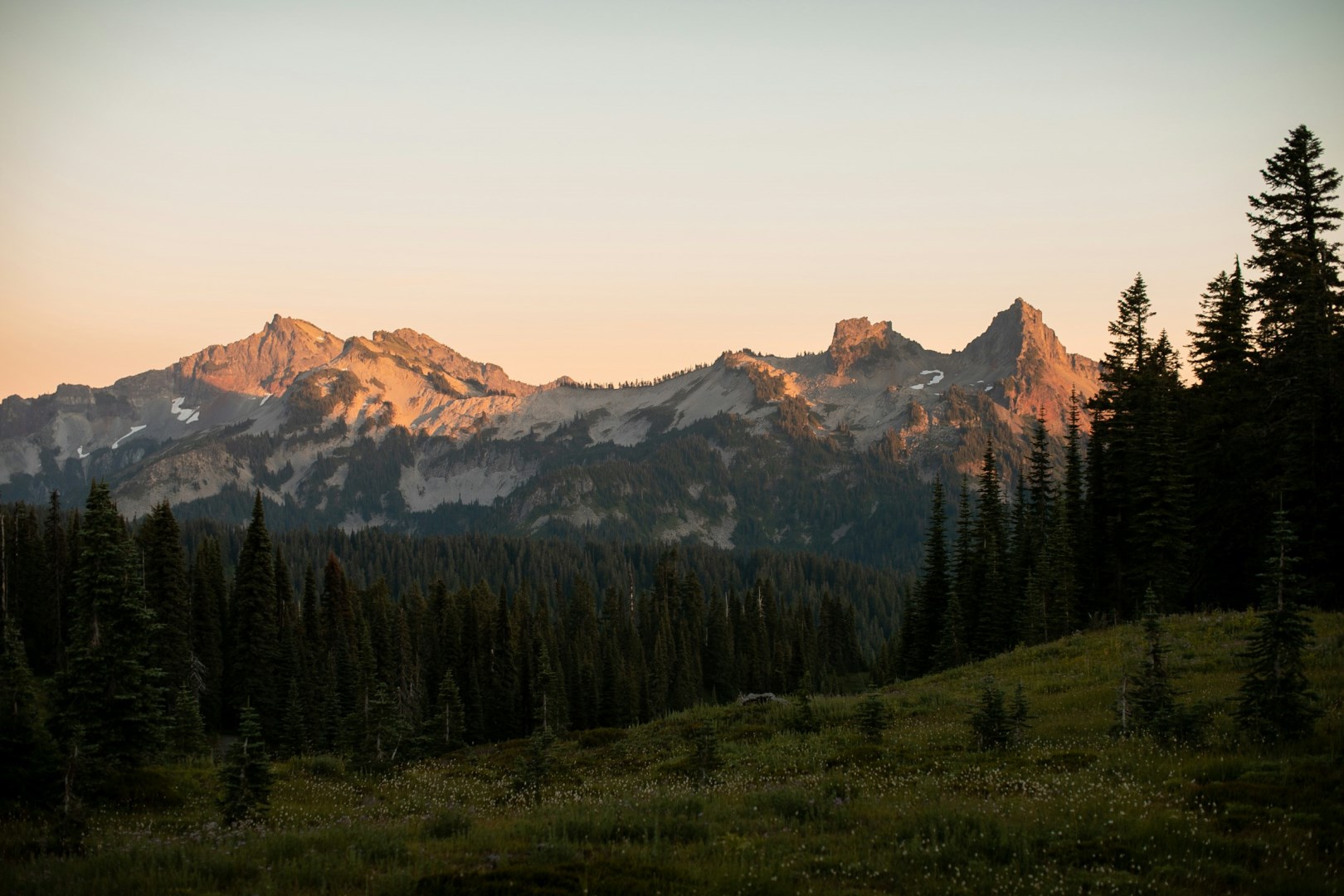
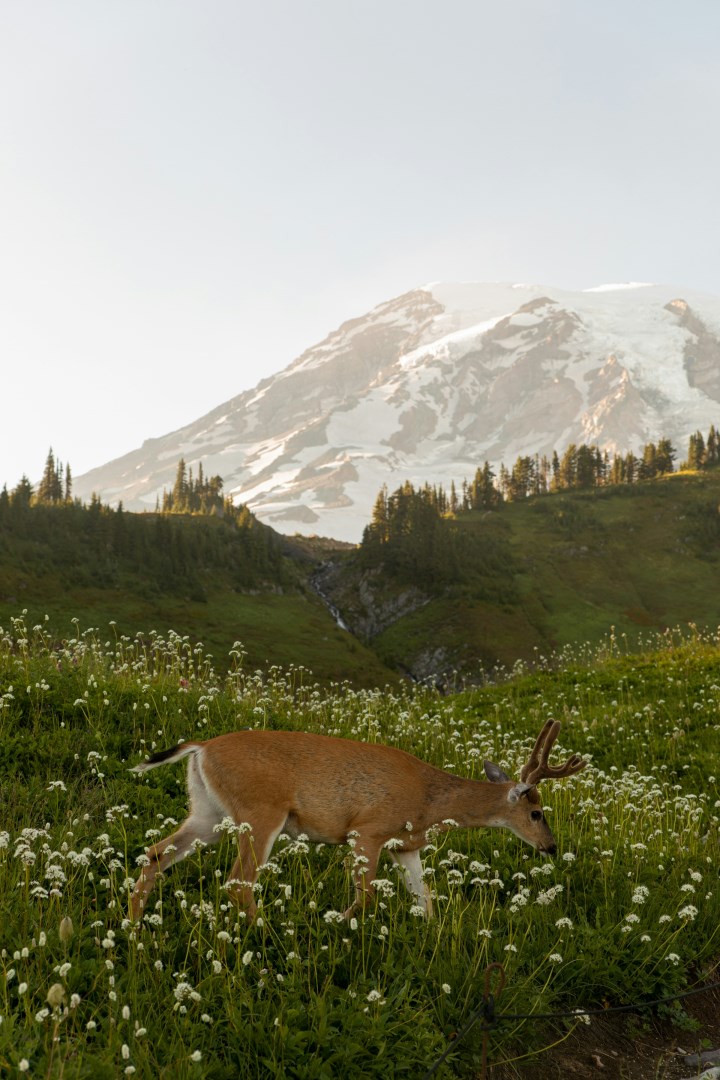
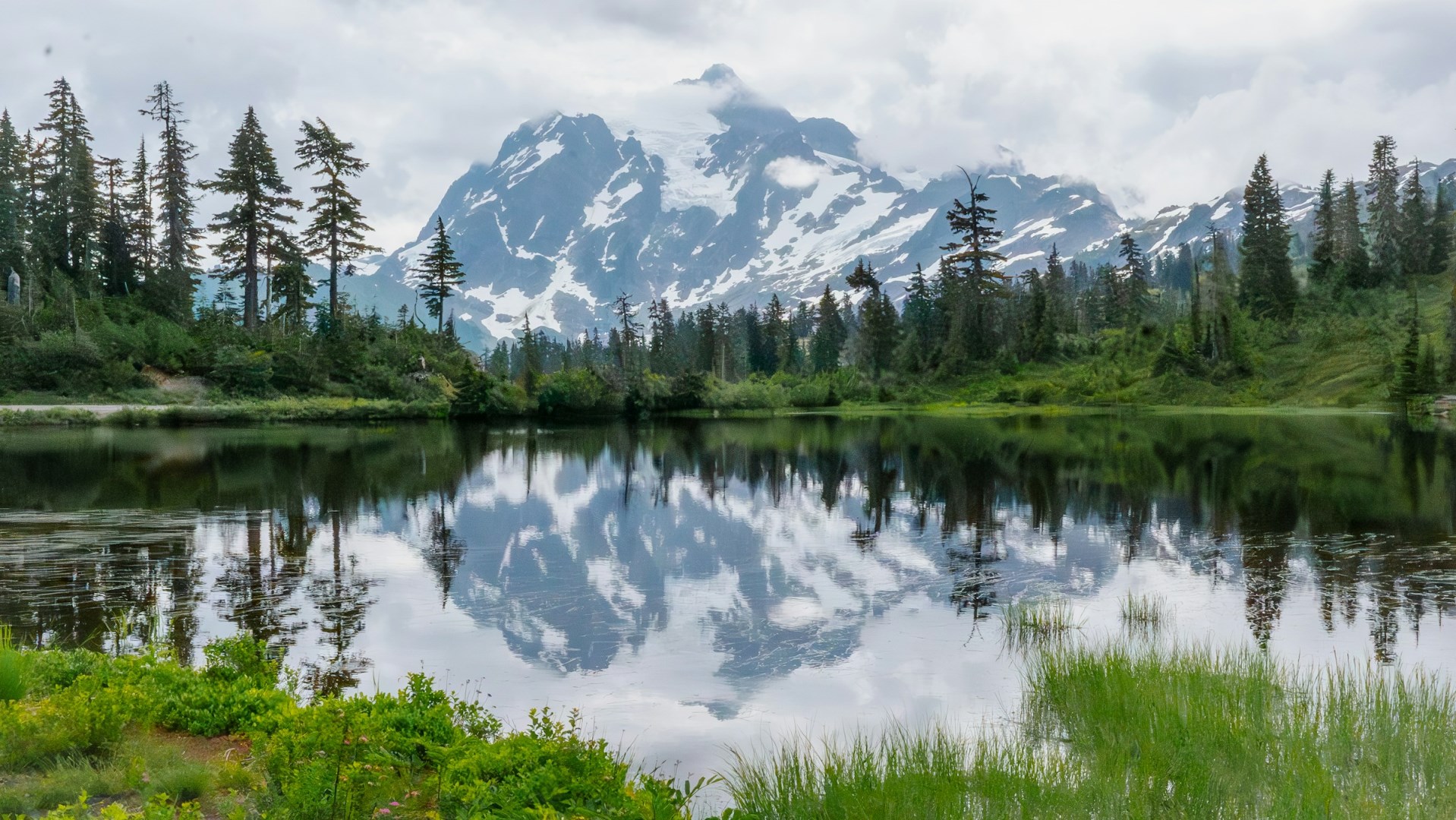
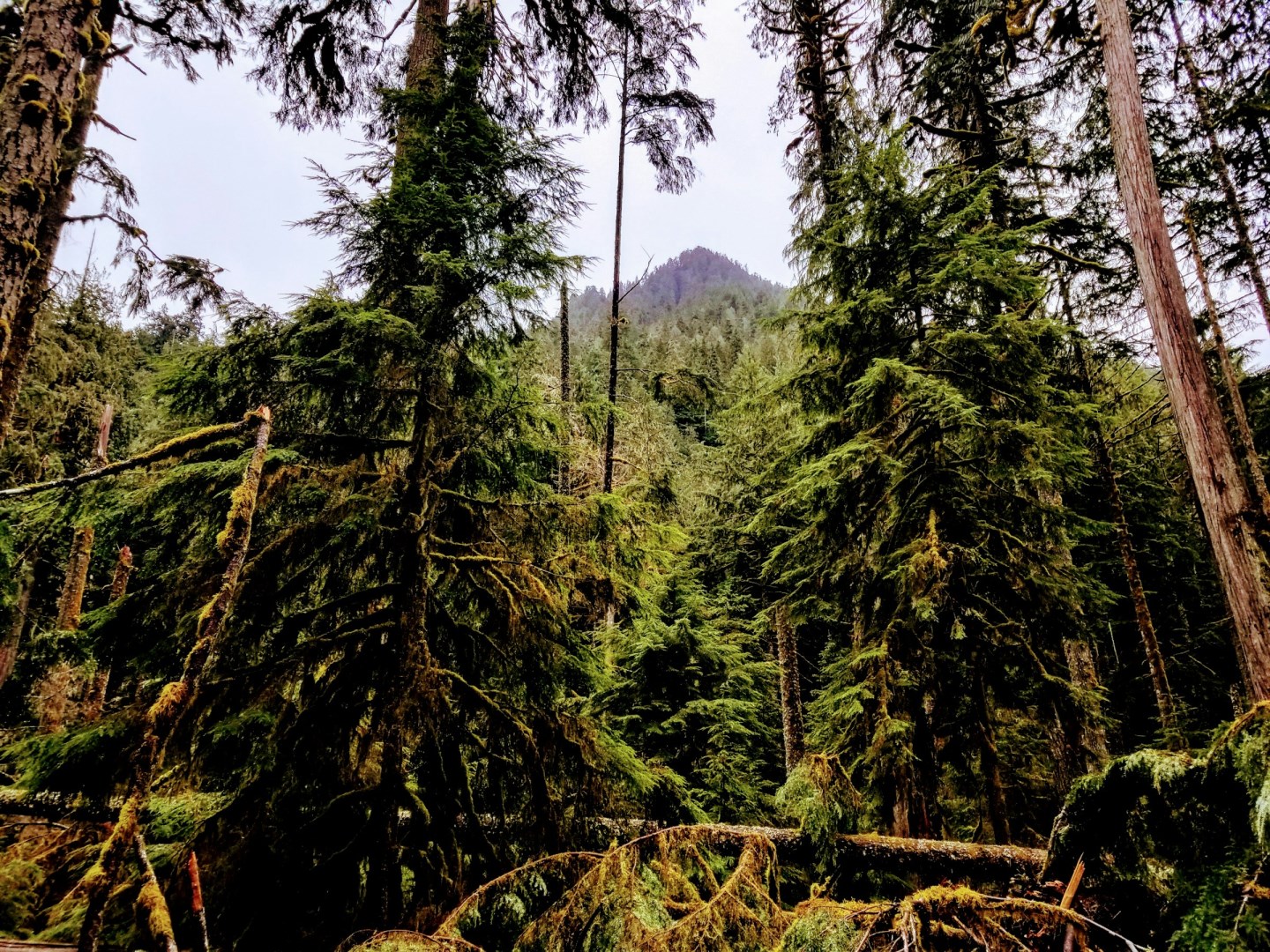
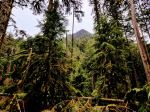
Mount Rainier National Park is centered on Mount Rainier, a massive glaciated volcano rising above the forests and valleys of Washington’s Cascade Range. The mountain dominates the surrounding landscape, with glaciers, snowfields, alpine meadows, old-growth forests, rivers, and waterfalls extending across the park. Its varied elevations create distinct environments, from dense lowland forest to open subalpine terrain and rugged alpine slopes. The park is known for viewpoints around Paradise and Sunrise, where visitors can see Mount Rainier alongside broad mountain landscapes and seasonal wildflower meadows.
Mount Rainier has deep cultural significance for Indigenous peoples of the region, including the Nisqually, Cowlitz, Puyallup, Muckleshoot, and Yakama peoples. Indigenous communities have long traveled through and used the mountain and surrounding valleys for hunting, gathering, trade, and cultural practices. The mountain is also known by Indigenous names, including Tahoma, a name with several recorded forms and interpretations. Later exploration, mountaineering, tourism, and scientific study shaped the area’s modern history. Today, Indigenous connections remain an important part of understanding the mountain and its surrounding landscape.
The park contains an extensive network of trails leading through forests, meadows, river valleys, and high alpine terrain. Paradise is especially known for its subalpine meadows and views of the mountain, while Sunrise provides access to high-elevation trails and panoramic views of the Cascades. Longmire contains historic buildings and access to lower-elevation trails, and the Wonderland Trail encircles Mount Rainier through a changing series of ecosystems. The mountain itself is heavily glaciated, with the Emmons and Carbon glaciers among the largest features feeding rivers and valleys below.
Mount Rainier’s ecosystems support black-tailed deer, mountain goats, black bears, marmots, elk, and numerous bird species. Its subalpine meadows contain lupines, paintbrushes, avalanche lilies, and other wildflowers that bloom during the warmer months. The park also protects extensive old-growth forest dominated by species such as Douglas fir, western hemlock, and Pacific silver fir. Visitors can explore the park through hiking, wildlife observation, scenic drives, and winter recreation, but conditions can change rapidly at higher elevations. The combination of active volcanic geology, extensive glaciers, old-growth forests, and alpine meadows makes Mount Rainier one of Washington’s defining landscapes.