
(877) 4-SAIL EV or (970) 639-5454
(877) 4-SAIL EV or (970) 639-5454

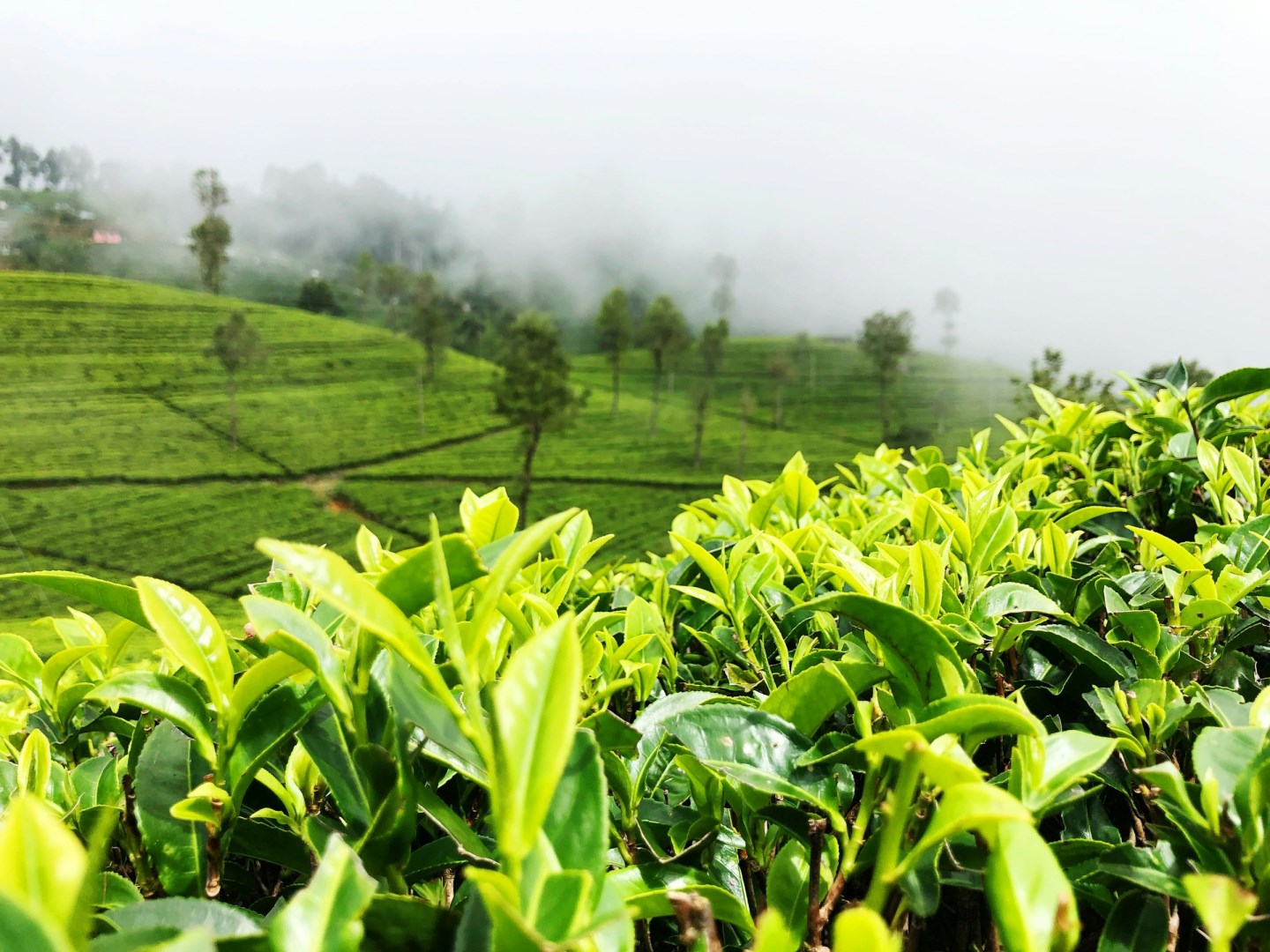
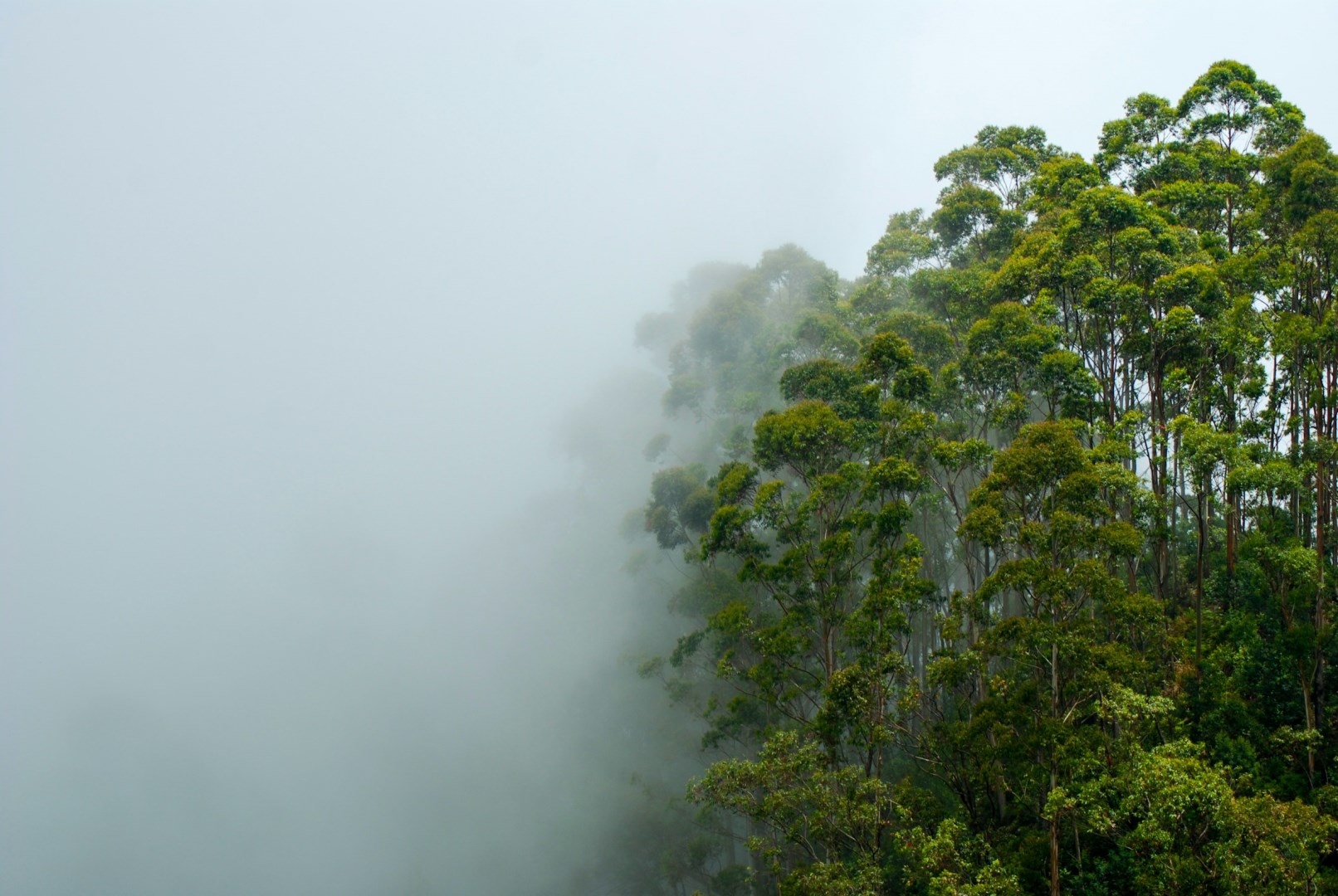

Haputale is a hill town in Sri Lanka’s Badulla District, set along a narrow mountain ridge surrounded by tea-covered slopes and forested highlands. Its elevated position gives the town a cool climate and broad views across the valleys of the southern and eastern hill country. Tea cultivation is central to the surrounding landscape, with estates covering the steep hillsides and winding roads connecting plantations and villages. Haputale also serves as a useful base for exploring nearby viewpoints, waterfalls, mountain trails, and the railway route through Sri Lanka’s central highlands.
Haputale’s identity is closely tied to the development of the tea-growing region and the communities that grew around the plantations. Adisham Bungalow is one of the area’s best-known heritage buildings, a Tudor-style house set among gardens and now maintained as a Benedictine monastery. St. Andrew’s Church in Haputale is another notable landmark, reflecting the area’s colonial-era architectural heritage. Buddhist temples and Hindu shrines in the surrounding communities add to the religious diversity of the hill country, where plantation workers and village residents have maintained distinct cultural traditions.
One of Haputale’s most notable viewpoints is Lipton’s Seat, located within the Dambatenne Tea Estate. The lookout is associated with tea planter Sir Thomas Lipton and provides extensive views across several regions of Sri Lanka when conditions are clear. The route to the viewpoint passes through working tea plantations and the Dambatenne tea factory. Haputale is also connected to Idalgashinna by railway, with the journey crossing steep mountain terrain and offering views over valleys and tea-covered slopes. Waterfalls, forest patches, and walking trails add further variety to the surrounding landscape.
Tea is naturally central to Haputale’s food and local economy, with freshly prepared Ceylon tea available throughout the town and surrounding estates. Local meals follow the wider traditions of Sri Lankan hill-country cooking, including rice and curry, dhal, coconut sambol, roti, and vegetable dishes. A distinctive detail is the scale of tea cultivation around the town: Sri Lanka Tourism describes Haputale as a tea-growing area of the southern highlands and highlights the Dambatenne factory as one of the country’s longest tea factories. The combination of working estates, mountain railways, viewpoints, and heritage buildings gives Haputale a distinct highland character.

